Robotic Surgery in Delhi: Dr. Aloy Mukherjee
Information about robotic-assisted surgical procedures and clinical assessment.
Understanding Robotic Surgery
Robotic-assisted surgery uses instruments controlled by a surgeon from a console. The system includes a camera and instruments that move in response to the surgeon's controls. Whether this approach is appropriate depends on the procedure, the patient's condition and clinical assessment. As with other operations, it has potential risks and complications.
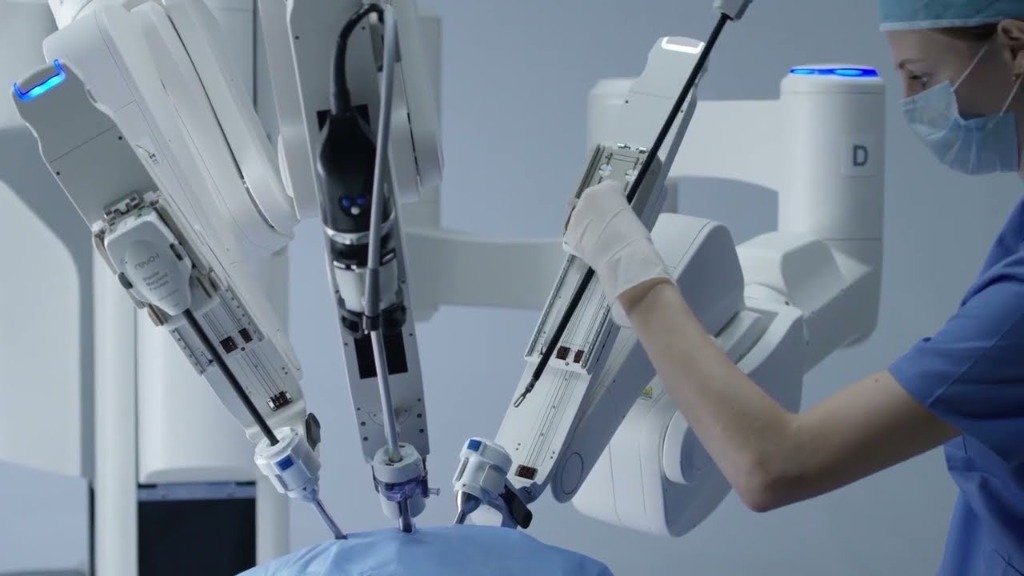
Robotic-Assisted Surgery
Robotic systems are instruments controlled by a surgeon during selected procedures. Their use depends on the operation and clinical assessment.
Surgeon-Controlled Instruments
The surgeon controls the instruments from a console during the operation.
Camera and Instruments
The system includes a camera and instruments used to perform selected operations.
Clinical Assessment
Whether robotic assistance is appropriate depends on the condition, proposed operation and patient-specific factors.
Risks and Alternatives
Robotic-assisted surgery has potential risks and complications. A clinician can discuss these and other treatment options.
Common Applications
Complex Hernias
Particularly large or recurrent ventral and inguinal hernias.
Colorectal Conditions
Benign and malignant diseases of the colon and rectum.
Bariatric Procedures
Gastric bypass and sleeve gastrectomy for severe obesity.
GI Disorders
Achalasia cardia, severe GERD, and stomach conditions.
The Surgical Process
The surgical approach, expected recovery and potential complications vary by procedure and patient.
Pre-Surgical Preparation
Before the procedure, the patient undergoes a detailed evaluation, including medical history, physical examination, and necessary diagnostic tests. The surgeon explains the process, benefits, and precautions to ensure the patient is fully prepared.
Robotic-Assisted Procedure
During the surgery, the surgeon controls robotic arms from a console to perform the procedure with high precision. Small incisions are made, and specialized instruments, along with a 3D camera, provide a clear and magnified view of the surgical area.
Post-Surgical Recovery
After the procedure, the care team monitors the patient. Recovery and follow-up vary according to the operation, health history and any complications.
Frequently Asked Questions
What is robotic surgery?
Robotic-assisted surgery uses instruments controlled by a surgeon from a console. It is used for selected procedures when considered appropriate after clinical assessment.
Is robotic surgery safe for patients?
Robotic-assisted surgery has potential risks and complications, as do other surgical approaches. The risks and suitability depend on the procedure and the patient's health and should be discussed during clinical evaluation.
What are the main advantages of this advanced surgical method?
Robotic systems are instruments used by a surgeon during some operations. They do not guarantee a particular result; expected benefits and risks depend on the procedure and patient.
How long does it take to recover after robotic surgery?
Recovery time varies according to the operation, the patient's health and any complications. The treating team can provide guidance for an individual case.
Contact Clinic
For clinic appointments, use the contact details below.
Visit Us
Address
2nd floor, Indraprastha Apollo Hospital, Room No. 1265,
Gate No. 10, Jasola Vihar, New Delhi, Delhi 110076
Contact Information
Phone
+91 9810532834
contact@draloymukherjee.com
Timings
Monday- Saturday: 08:00 AM- 08:00 PM
Sunday: Closed
For emergencies, contact the hospital emergency department.