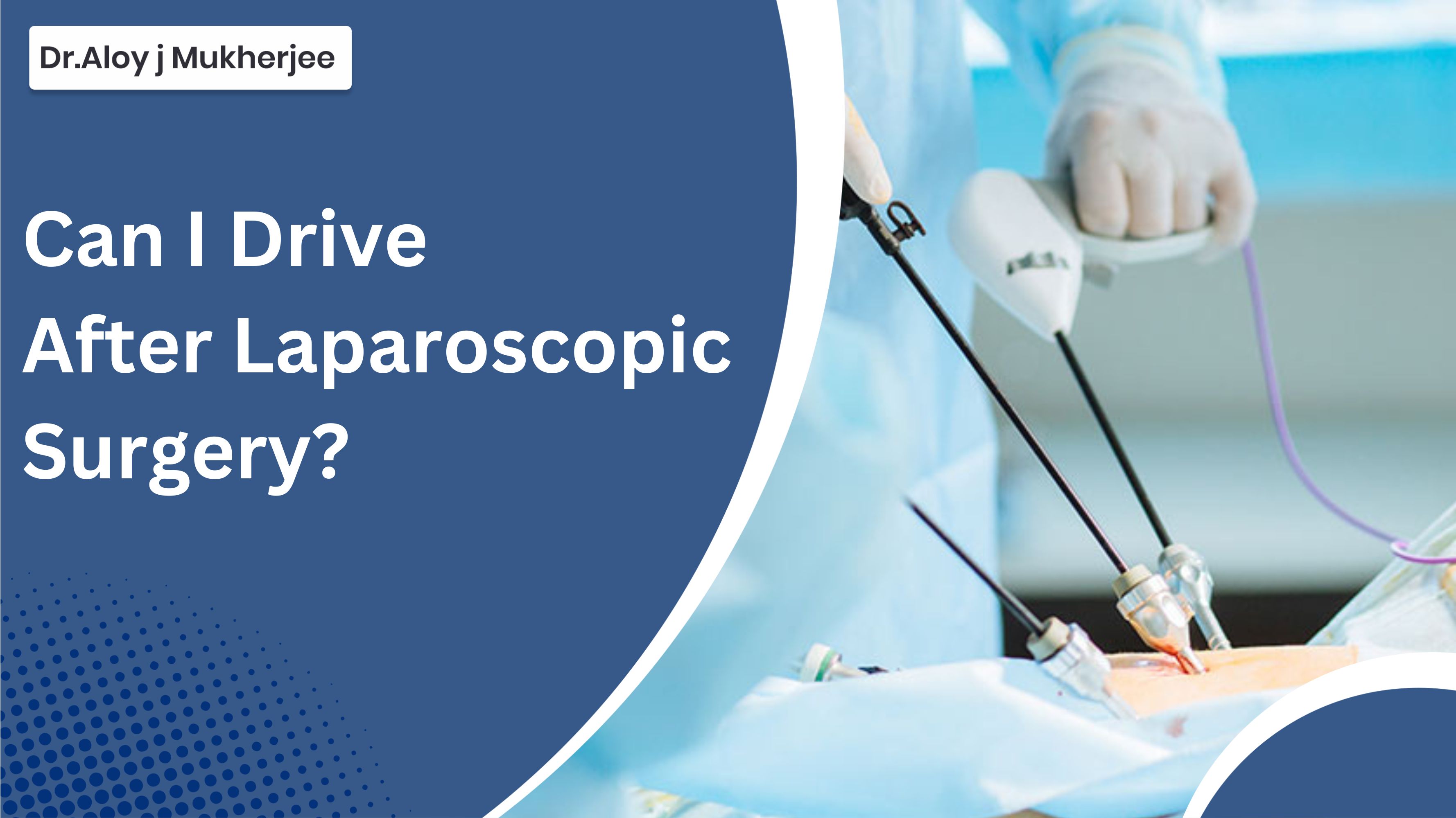
Laparoscopic surgery is often called keyhole surgery because it uses small cuts, a camera, and specialized instruments to perform operations with less pain and faster recovery compared to open surgery. Because recovery is usually quicker, one of the most common questions patients ask is: can I drive after laparoscopic surgery?
The short answer is yes-but not immediately. Driving too soon can be unsafe for you and others. In this detailed guide, we’ll clearly explain when can I drive after laparoscopic surgery, what factors affect the timing, and how to know when your body is truly ready. If you’ve undergone Laparoscopic Surgery in Delhi, always follow your surgeon’s guidance.
Understanding Laparoscopic Surgery
Laparoscopic surgery is a modern surgical technique designed to treat many medical conditions with minimal physical stress on the body. Unlike traditional open surgery, which requires a large incision, laparoscopic surgery is performed through small cuts, usually 0.5-1 cm in size. A thin camera called a laparoscope is inserted through one incision, allowing the surgeon to view the internal organs on a high-definition screen, while specialized instruments are used through the other incisions to perform the surgery.
Laparoscopic surgery is used for many procedures such as gallbladder removal, hernia repair, appendix surgery, bariatric surgery, and gynecological operations. It involves:
Small incisions instead of a large cut
Less blood loss
Reduced pain after surgery
Faster healing and earlier return to daily activities
However, even with minimally invasive surgery, your body still needs time to recover-especially after anesthesia and pain medications.
Why Driving After Surgery Needs Caution
Driving may seem simple, but it actually requires:
Quick reaction time
Full alertness and concentration
Ability to turn the steering wheel easily
Strong control over your feet for braking and acceleration
After surgery, these abilities can be affected by pain, weakness, medications, and stiffness. That’s why doctors advise waiting before you get behind the wheel.
Can I Drive After Laparoscopic Surgery Immediately?
No. You should not drive immediately after laparoscopic surgery.
Here’s why:
Anesthesia effects: General anesthesia can make you drowsy, slow your reactions, and affect judgment for 24-48 hours.
Pain medications: Many prescribed painkillers can cause dizziness, sleepiness, or blurred vision.
Abdominal discomfort: Sudden braking or turning can cause pain at incision sites.
Safety risk: Delayed reactions can increase the risk of accidents.
Even if you feel “okay,” your body may not be fully ready.
Factors That Decide When You Can Drive After Laparoscopic Surgery
The answer to when can I drive after laparoscopic surgery is not the same for everyone. Your readiness to drive depends on several medical and practical factors. Below are the four most important factors, explained in detail to help you make a safe decision.
1. Type of Laparoscopic Surgery
Not all laparoscopic surgeries affect the body in the same way. The complexity of the procedure plays a major role in determining recovery time and driving safety. Minor laparoscopic procedures usually involve less internal manipulation, while major abdominal surgeries require deeper healing.
Procedures involving organs like the gallbladder, intestines, or stomach may cause more postoperative discomfort and stiffness. Bariatric or hernia surgeries may also affect core muscle strength, which is essential for turning, braking, and maintaining posture while driving. The more extensive the surgery, the longer your body needs before it can safely handle driving movements.
2. Effects of Anesthesia
General anesthesia affects the brain and nervous system even after you wake up. Many patients feel mentally alert but still experience slower reaction times, reduced concentration, or mild dizziness for 24-48 hours after surgery. These subtle effects can significantly impair driving ability.
Anesthesia can also cause fatigue and delayed decision-making, which are dangerous while driving. Even short trips during this period can increase the risk of accidents. This is why doctors strictly advise not driving for at least 24 hours after laparoscopic surgery, regardless of how normal you feel.
3. Pain Levels and Use of Medications
Pain after laparoscopic surgery varies from person to person. If pain increases when you twist your body, press the pedals, or turn the steering wheel, driving should be avoided. Sudden movements, such as emergency braking, can strain healing tissues and increase discomfort.
Additionally, strong pain medications-especially opioids and muscle relaxants-can cause drowsiness, blurred vision, and poor coordination. Driving while on these medications is unsafe and often legally restricted. You should only consider driving once pain is manageable with mild medicines and movement feels comfortable.
4. Physical Strength, Mobility, and Reaction Time
Driving requires good core strength, flexibility, and fast reflexes. After laparoscopic surgery, abdominal muscles may feel weak or tight, affecting your ability to sit upright, turn quickly, or respond in emergencies.
Before driving, you should be able to:
Sit comfortably for at least 20-30 minutes
Turn your upper body without pain
Press the brake firmly and quickly
Perform sudden movements without hesitation
If any of these actions cause discomfort or delay, it’s best to wait longer. Regaining full physical control is essential for safe driving after laparoscopic surgery.
Special Situations to Consider Before Driving After Laparoscopic Surgery
Even if you feel physically better, certain situations require extra caution before you resume driving. Below are four key situations where patients should be especially careful after laparoscopic surgery.
1. Driving Long Distances
Long-distance driving can be physically demanding after laparoscopic surgery. Sitting for extended periods may cause stiffness, abdominal discomfort, and fatigue, especially around the incision sites. High-speed driving also requires constant focus and the ability to brake suddenly, which can be painful or difficult during early recovery.
It’s best to begin with short, local trips and gradually increase driving time. Long highway drives should only be resumed once you can sit comfortably, move freely, and remain alert without pain or exhaustion.
2. Driving in Heavy Traffic
Driving in congested traffic requires frequent braking, clutch control, and quick steering movements. These repeated actions can strain healing abdominal muscles and increase discomfort. Traffic-related stress may also affect concentration, which can already be slightly reduced after surgery.
To reduce risk, avoid peak traffic hours and choose less crowded routes until your strength and confidence return fully.
3. Driving Two-Wheelers
Two-wheelers place greater physical demand on balance, coordination, and core muscle strength compared to cars. Leaning forward, sudden foot movements, and maintaining balance can stress the surgical area and slow healing.
Because of this, patients are usually advised to wait longer before riding a bike or scooter. Returning too early can increase pain and raise the risk of accidents or falls.
4. Driving as a Professional
If driving is part of your profession, recovery time becomes even more important. Professional driving often involves long hours, limited breaks, and sustained physical and mental effort, which can delay healing if resumed too soon.
Medical clearance is strongly recommended before returning to professional driving. Gradual resumption of work hours helps ensure safety and prevents unnecessary strain on your body.
Tips Before You Start Driving Again
Before your first drive after surgery:
Sit in the driver’s seat and check comfort
Practice pressing pedals while parked
Adjust seat to reduce abdominal pressure
Keep a pillow between seatbelt and abdomen
Avoid sudden movements
If anything feels uncomfortable, delay driving.
What Happens If You Drive Too Early?
Driving too early can cause:
Increased pain at incision sites
Internal strain or delayed healing
Risk of accidents due to slow reaction
Insurance issues if an accident occurs while medically unfit
A few extra days of rest can prevent weeks of problems.
Final Thoughts
Driving after laparoscopic surgery may feel like a small step, but it is an important part of your recovery that should not be rushed. Even though laparoscopic procedures involve smaller incisions and faster healing, your body still needs time to recover from anesthesia, internal healing, and temporary muscle weakness. Listening to your body and following medical advice helps prevent unnecessary pain, complications, and safety risks.
Most patients can safely return to driving once they are pain-free, mentally alert, and no longer taking strong pain medications. Being able to move comfortably, react quickly, and brake without discomfort are key signs that you are ready. If you have undergone Lapsroscopic Surgery under Dr. Aloy Mukherjee, taking a cautious and gradual approach to resuming daily activities can support smoother recovery and long-term well-being.
Frequently Asked Questions
1. Can I drive after laparoscopic surgery if I feel fine?
Even if you feel fine, wait until anesthesia effects wear off and you stop strong pain medicines. Feeling fine doesn’t always mean your reflexes are normal.
2. How long after laparoscopic surgery can I drive a car?
Most people can drive after 5-10 days, depending on surgery type, pain level, and doctor’s advice.
3. When can I drive after laparoscopic surgery with stitches?
You can drive once stitches are healing well and movement doesn’t cause pain-usually after one week.
4. Can I drive after laparoscopic surgery if I’m on painkillers?
No. Driving while on strong painkillers is unsafe and not recommended.
5. Is short-distance driving allowed earlier?
Short distances may be okay after a few days, but only if you’re pain-free and alert.
6. Can I ride a bike after laparoscopic surgery?
Bike riding usually requires more recovery time. Most patients should wait 10-14 days.
7. Do I need doctor approval before driving?
Yes, it’s always best to get clearance during your follow-up visit.