Colorectal Surgery in Delhi: Dr. Aloy Mukherjee
Minimally invasive colorectal surgery for cancers, diverticulitis, and IBD. Faster recovery, less pain, and minimal scarring.
Understanding Colorectal Surgery
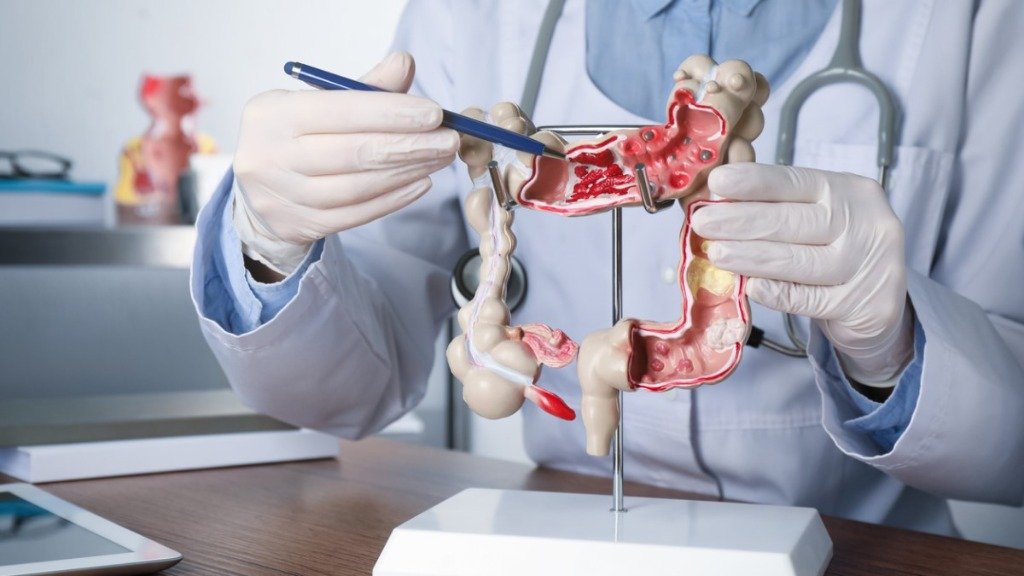
Colorectal surgery encompasses a range of procedures performed on the colon, rectum, and anus. It is designed to treat both malignant conditions, like colon and rectal cancers, and benign diseases, such as severe diverticulitis, Crohn's disease, and ulcerative colitis using the latest minimally invasive techniques.
Modern colorectal procedures utilize laparoscopic and robotic technologies, allowing surgeons to operate with high precision through small incisions. This results in significantly less pain, a shorter hospital stay (often just a few days), and a faster recovery for patients. Choosing a highly skilled and experienced colorectal surgeon in Delhi ensures safer outcomes and dedicated care for long-term health and recovery.
Common Causes & Risk Factors
Several factors contribute to this condition. Understanding these risks can aid in prevention and management.
Genetic Mutations
Inherited syndromes like FAP or Lynch syndrome dramatically increase the risk of colorectal cancers.
Age & Lifestyle
Risk substantially increases after 50, compounded by smoking, heavy alcohol use, and sedentary living.
Diverticular Disease
Chronic low-fiber diets lead to outpouchings in the colon walls which can aggressively infect and rupture.
IBD
Long-standing inflammatory bowel diseases directly damage the colon lining over the course of years.
Symptoms of Colorectal Conditions
Changes in Bowel Habits
Persistent diarrhea, constipation, or a change in the consistency of stool lasting weeks.
Rectal Bleeding
Blood in the stool, which might appear bright red or dangerously dark.
Abdominal Discomfort
Frequent gas, agonizing cramps, and chronic abdominal pain that does not relieve.
Unexplained Weight Loss
Losing weight rapidly without trying, a crucial warning sign of systemic disease.
Diagnosis Process
To definitively diagnose colorectal conditions and rule out other causes, our clinic utilizes comprehensive testing.
Physical Examination
Evaluating complete family history and performing a thorough physical abdominal examination.
Imaging Tests
A colonoscopy remains a primary standard diagnostic procedure for full visualization and immediate biopsy of the colon lining.
Laboratory Analysis
Advanced MRI and CT scans stage cancers and precisely map infections for surgery.
Treatment Options for Colorectal Conditions
Laparoscopic Colectomy
Removal of the diseased portion of the colon through tiny incisions, speeding recovery and drastically reducing scarring.
Low Anterior Resection
A complex, precise procedure to remove cancer of the rectum while preserving the anal sphincter.
Frequently Asked Questions
What conditions require colorectal surgery?
It is often necessary for colorectal cancer, severe diverticulitis, inflammatory bowel disease (Crohn's or Ulcerative Colitis), and complex rectal prolapse.
Will I need a permanent stoma bag?
The goal is always sphincter-preserving surgery. A stoma is often temporary to allow the bowel to heal. Permanent stomas are rarely necessary, saved only for very low rectal cancers.
Is bowel prep required before surgery?
Yes, most colorectal surgeries require a thorough bowel cleansing the day before surgery, similar to a colonoscopy prep, to prevent infection.
What dietary changes are needed post-surgery?
You will initially be on a low-residue (low fiber) diet to give your colon time to heal. Gradually, fiber is reintroduced under the guidance of our nutritional team.
How long is the hospital stay?
Depending on the complexity of the resection, patients generally stay in the hospital for 3 to 7 days until they can eat solid food and bowel function normalizes.
Contact Clinic
For clinic appointments, use the contact details below.
Visit Our Clinic
Address
2nd floor, Indraprastha Apollo Hospital, Room No. 1265,
Gate No. 10, Jasola Vihar, New Delhi, Delhi 110076
Contact Information
Phone
+91 9810532834
contact@draloymukherjee.com
Timings
Monday- Saturday: 08:00 AM- 08:00 PM
Sunday: Closed
For emergencies, contact the hospital emergency department.