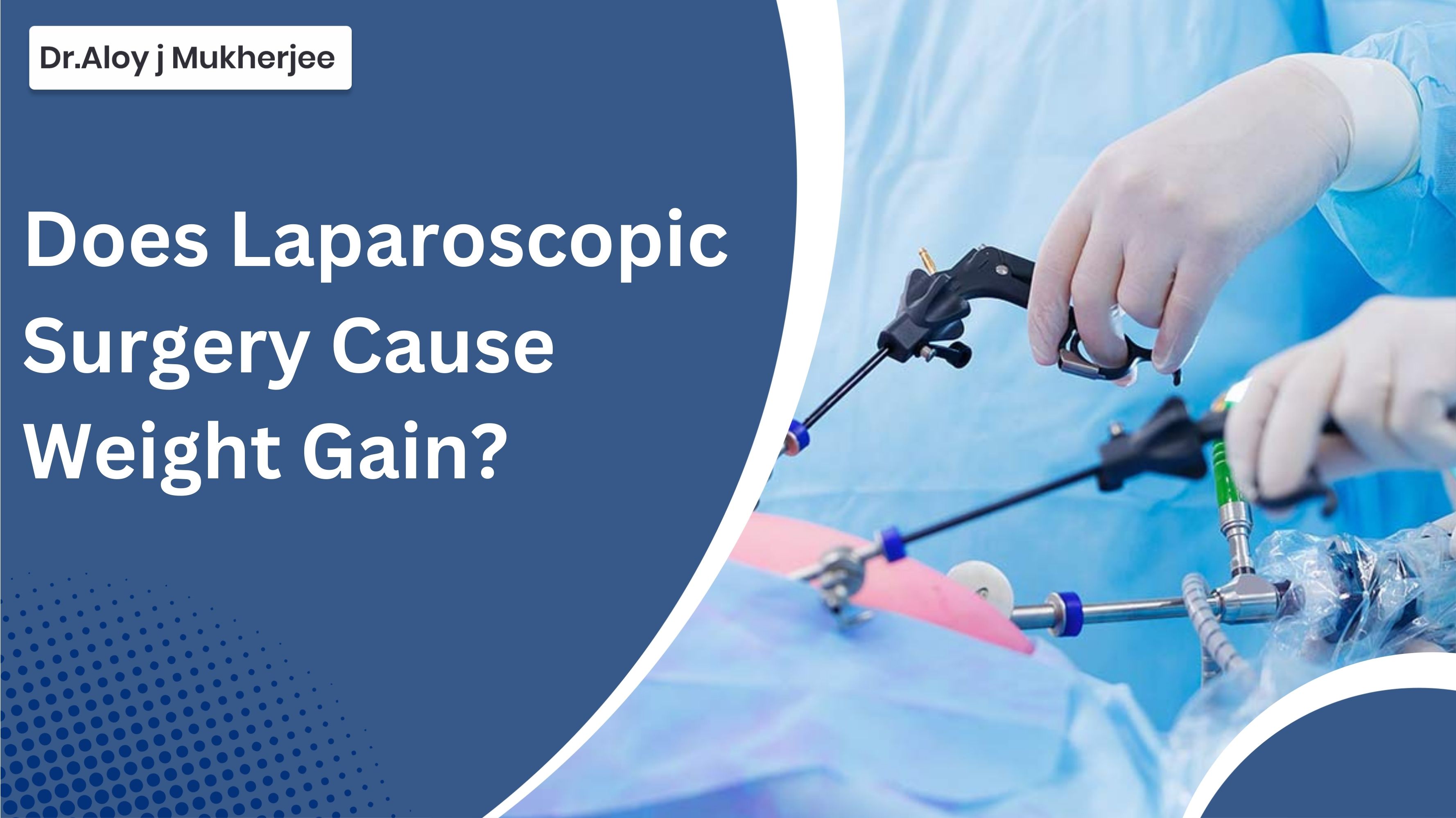
Laparoscopic surgery is widely known for being a minimally invasive surgical technique that helps patients recover faster with less pain and smaller scars. It is commonly used for procedures involving the gallbladder, appendix, hernia repair, gynecological conditions, and many abdominal issues. Because recovery is quicker compared to open surgery, many patients assume that it should not affect body weight at all. However, a common concern patients ask is: does laparoscopic surgery cause weight gain?
The simple answer is laparoscopic surgery itself does not directly cause weight gain. Still, some people do notice changes in their weight after surgery. These changes usually happen due to temporary lifestyle changes, reduced activity, fluid retention, medications, or hormonal shifts, rather than the surgery itself. Understanding why this happens can help patients manage their weight properly during recovery, especially those undergoing Laparoscopic Surgery in Delhi under experienced surgeons like Dr. Aloy Mukherjee.
This article explains everything you need to know about weight gain after laparoscopic surgery, what is normal, what is temporary, and how to prevent unhealthy weight changes.
Understanding Laparoscopic Surgery
Laparoscopic surgery involves making small incisions through which a camera and surgical instruments are inserted. The surgeon performs the operation while viewing the internal organs on a screen. Because the cuts are smaller, patients usually experience:
Less pain after surgery
Faster recovery time
Shorter hospital stay
Lower risk of infection
Quicker return to daily activities
Despite these advantages, the body still goes through stress and healing, which can temporarily affect metabolism, appetite, and movement-factors closely linked to weight changes.
Does Laparoscopic Surgery Cause Weight Gain?
To be very clear, laparoscopic surgery does not directly lead to fat gain. The surgery itself does not change how your body stores fat. However, weight gain after laparoscopic surgery can happen due to indirect reasons during the recovery phase.
Most weight changes seen after surgery are:
Temporary
Related to fluids or inactivity
Influenced by medications or diet
In many cases, the weight stabilizes once the patient resumes normal movement and eating habits.
Common Reasons for Weight Gain After Laparoscopic Surgery
1. Temporary Fluid Retention After Surgery
After laparoscopic surgery, the body often holds extra fluids as part of the natural healing process. IV fluids given during surgery, mild inflammation, and hormonal responses can all cause short-term water retention. This may reflect as sudden weight gain on the scale, but it is not actual fat gain and usually settles within a few days to weeks.
IV fluids administered during surgery
Body’s inflammatory response to healing
Hormonal changes affecting water balance
Swelling or bloating in the abdomen
2. Reduced Physical Activity During Recovery
Most patients are advised to limit physical movement for a short period after surgery. Reduced activity lowers calorie burn, which can temporarily affect body weight. This is one of the most common reasons people feel weight gain after laparoscopic surgery, especially if rest is prolonged.
Bed rest or limited mobility
Delay in resuming daily walking
Reduced muscle activity
Lower overall calorie expenditure
3. Changes in Diet and Eating Habits
During recovery, patients often change their eating patterns. Comfort foods, irregular meal timing, or overeating due to boredom can increase calorie intake. When combined with low activity, these habits can lead to short-term weight gain.
Increased snacking during rest
Preference for high-calorie comfort foods
Irregular meal portions
Emotional or boredom-related eating
4. Effect of Post-Surgery Medications
Certain medications prescribed after laparoscopic surgery can influence appetite, digestion, and activity levels. Pain medications and steroids, in particular, may cause increased hunger or reduced movement, indirectly contributing to weight gain.
Painkillers reducing physical movement
Steroids increasing appetite
Antibiotics affecting digestion
Temporary slowing of metabolism
5. Constipation and Slower Digestion
Anesthesia and pain medications often slow down the digestive system. This can cause constipation, gas, and bloating, leading to a feeling of heaviness or increased weight. This type of weight change is temporary and improves as digestion returns to normal.
Slowed bowel movement after anesthesia
Gas buildup in the abdomen
Constipation-related bloating
Temporary increase in abdominal weight
How Long Does Weight Gain Last After Laparoscopic Surgery?
In most cases:
Temporary weight gain lasts 1-4 weeks
Fluid-related weight settles within 7-10 days
Activity-related weight stabilizes once walking resumes
If weight gain continues beyond 6-8 weeks, it may be related to lifestyle or diet rather than surgery.
Can Laparoscopic Surgery Cause Long-Term Weight Gain?
No, laparoscopic surgery does not cause permanent or long-term weight gain by itself. Long-term weight changes usually happen due to:
Poor diet habits
Prolonged inactivity
Underlying medical conditions
With proper post-surgery care, weight can be maintained or even improved.
How to Prevent Weight Gain After Laparoscopic Surgery
1. Follow a Balanced Diet During Recovery
After laparoscopic surgery, your body needs proper nutrition to heal, but overeating or choosing the wrong foods can lead to unnecessary weight gain. A balanced, light diet helps control calories while supporting recovery and digestion.
Eat small, frequent meals instead of heavy portions
Focus on protein, vegetables, fruits, and whole grains
Avoid fried, sugary, and highly processed foods
Do not eat out of boredom or emotional stress
2. Resume Gentle Physical Activity
Reduced movement is one of the main reasons people notice weight gain after surgery. While complete rest is important initially, gradual activity helps burn calories and improves metabolism without stressing the body.
Start with short walks as advised by your surgeon
Avoid long periods of bed rest during the day
Slowly increase daily movement after the first week
Follow activity guidelines provided by your doctor
3. Stay Well Hydrated
Many patients mistake fluid retention and bloating for actual weight gain. Drinking enough water helps flush excess fluids, supports digestion, and prevents constipation after surgery.
Drink water regularly throughout the day
Avoid sugary drinks and excess caffeine
Proper hydration reduces swelling and abdominal fullness
Helps regulate appetite and digestion
4. Control Portions and Eating Habits Mindfully
Even healthy foods can lead to weight gain if portions are too large. Mindful eating helps you recognize hunger and fullness signals, preventing overeating during the recovery phase.
Eat slowly and stop when you feel full
Avoid late-night snacking unless medically needed
Keep portion sizes moderate
Maintain regular meal timings
5. Follow Medical Advice
Every patient recovers differently after laparoscopic surgery. Following professional guidance ensures safe healing while minimizing risks like prolonged inactivity or medication-related weight changes. Surgeons experienced in laparoscopic procedures, such as Dr. Aloy Mukherjee, provide structured recovery plans that help patients maintain a healthy weight.
Take medicines only as prescribed
Avoid unnecessary supplements or steroids
Attend follow-up appointments regularly
Report unusual swelling or rapid weight changes
When Should You Be Concerned About Weight Gain?
You should consult your doctor if:
Weight gain is rapid and unexplained
Swelling does not reduce
You experience breathlessness or severe bloating
Weight keeps increasing after full recovery
These symptoms may point to fluid imbalance or hormonal issues, not surgery itself.
Final Thoughts
So, does laparoscopic surgery cause weight gain? The answer is no-not directly. Any weight gain after laparoscopic surgery is usually temporary, manageable, and reversible. Factors like fluid retention, reduced movement, medications, and short-term diet changes are responsible, not the surgery itself.
With proper guidance, gradual activity, and mindful eating, patients can return to their normal weight safely. Under the care of experienced surgeons like Dr. Aloy Mukherjee, patients undergoing Laparoscopic Surgery are well-supported through recovery to maintain overall health and well-being.
Frequently Asked Questions
1. Does laparoscopic surgery cause weight gain permanently?
No. Laparoscopic surgery does not cause permanent weight gain. Any increase is usually temporary and related to recovery.
2. Is weight gain happens after laparoscopic surgery for everyone?
No. Many patients do not gain weight at all. Some even lose weight due to improved health or appetite control.
3. How much weight gain is normal after laparoscopic surgery?
A gain of 1-3 kg due to fluids or inactivity can be normal and usually resolves within weeks.
4. Can walking help prevent weight gain after surgery?
Yes. Gentle walking improves metabolism, digestion, and helps prevent unnecessary weight gain.
5. Does anesthesia cause weight gain?
Anesthesia does not cause fat gain but can lead to temporary bloating or fluid retention.
6. When can I exercise after laparoscopic surgery?
Light activity usually starts within a few days. Full exercise depends on the type of surgery and doctor’s advice.
7. Should I diet strictly after laparoscopic surgery?
No. Focus on balanced nutrition rather than strict dieting during recovery.