Laparoscopic surgery is one of the most common and advanced surgical techniques used today, yet many patients still wonder, “is laparoscopic surgery major surgery?” The short answer is: it depends on the type of procedure being performed. Laparoscopic surgery can be classified as minor, moderate, or major based on factors such as the organ involved, the complexity of the condition, the duration of the surgery, and the recovery required afterward.
In this detailed guide, we will explain laparoscopic surgery and help you understand when laparoscopic surgery is considered major surgery. We will also discuss its risks, benefits, recovery time, and answer frequently asked patient questions. This information is designed to help you make an informed decision if you or a loved one is advised to undergo laparoscopic surgery under the care of an experienced specialist like Dr. Aloy Mukherjee, who is known for his patient-focused and minimally invasive surgical approach.
Understanding Laparoscopic Surgery
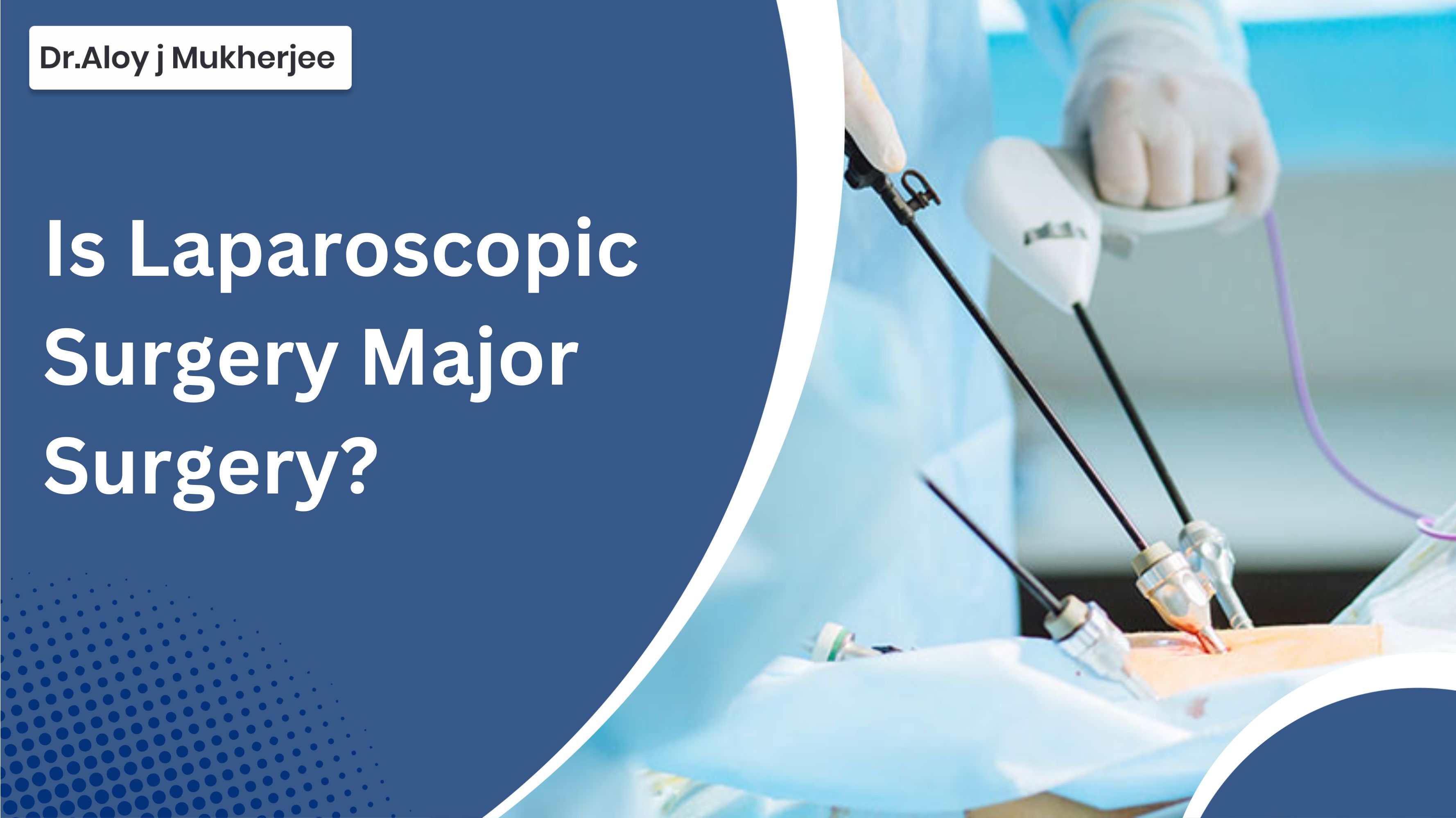
Laparoscopic surgery is a minimally invasive surgical technique where doctors operate through small cuts (usually 0.5-1 cm) instead of a large incision.
A thin tube with a camera (called a laparoscope) is inserted into the body. This camera shows high-definition images on a screen, allowing the surgeon to perform the surgery using special instruments.
Common names for laparoscopic surgery:
Keyhole surgery
Minimally invasive surgery
It is widely used for abdominal, pelvic, and sometimes chest procedures.
Types of Laparoscopic Surgery
Laparoscopic surgery is used to treat a wide range of medical conditions across different specialties. Depending on the organ involved and the complexity of the procedure, laparoscopic surgeries can be broadly divided into minor and major types. Understanding these types helps patients know why laparoscopic surgery is often preferred and whether it is considered major surgery or not.
1. Diagnostic Laparoscopic Surgery
Diagnostic laparoscopy is used to identify the cause of abdominal or pelvic problems when scans and tests are not conclusive. It helps doctors detect conditions like internal bleeding, infections, endometriosis, or unexplained pain. This procedure is usually short, minimally invasive, and recovery is very quick.
2. Laparoscopic Gallbladder Surgery (Cholecystectomy)
Gallbladder Surgery is performed to remove the gallbladder due to gallstones or gallbladder infection. Small incisions are made, reducing pain, scarring, and recovery time. Although it involves organ removal, patients usually recover faster than with open surgery.
3. Laparoscopic Hernia Surgery
Laparoscopic Hernia Surgery is used to treat inguinal, umbilical, and incisional hernias. A surgical mesh is placed through small cuts to strengthen the weakened area. Patients experience less pain and can return to normal activities sooner.
4. Laparoscopic Appendectomy
This procedure is done to remove the appendix in cases of appendicitis. Laparoscopic appendectomy offers quicker healing, minimal scarring, and a lower risk of infection compared to traditional surgery.
5. Laparoscopic Bariatric (Weight Loss) Surgery
Laparoscopic Bariatric Surgery helps in treating severe obesity and related conditions like diabetes and high blood pressure. Procedures such as gastric bypass and sleeve gastrectomy are done using minimally invasive techniques, making recovery safer and faster.
6. Laparoscopic Colorectal Surgery
Laparoscopic Colorectal Surgery is used to treat conditions of the colon and intestines, including cancer, bowel obstruction, and inflammatory diseases. Although considered major surgery, the laparoscopic approach results in less discomfort and faster healing.
Is Laparoscopic Surgery Major Surgery?
Now let’s answer the main question clearly: is laparoscopic surgery major surgery? The answer is yes and no, depending on the situation.
Laparoscopic surgery can be major surgery because it involves operating inside the body, often on important organs like the stomach, gallbladder, intestines, or uterus. The patient is usually given anesthesia and the procedure is done in an operation theatre by trained surgeons.
At the same time, laparoscopic surgery feels less major to the patient because:
The cuts are small
Pain is less
Recovery is faster
Hospital stay is shorter
So medically, it is considered a major surgery, but from the patient’s experience, it often feels easier than traditional surgery.
Why Laparoscopic Surgery Feels Less “Major” to Patients
Even when laparoscopic surgery is technically major, patients often describe it as much easier than expected. Here’s why:
1. Smaller Incisions
Open surgery may require a cut of 10-20 cm, while laparoscopic surgery uses 3-5 tiny cuts. Smaller cuts mean:
Less pain
Faster healing
Minimal scarring
2. Less Pain After Surgery
Since muscles and tissues are not widely cut, patients experience less postoperative pain and require fewer painkillers.
3. Minimal Blood Loss
Laparoscopic surgery allows precise control, leading to very little bleeding during the procedure.
4. Faster Recovery
Most patients:
Walk within 24 hours
Resume normal activities in a few days
Return to work much earlier
This faster recovery makes the surgery feel less serious.
5. Shorter Hospital Stay
Many laparoscopic procedures require:
Same-day discharge, or
1-2 days of hospital stay
Compared to open surgery, which may require a week or more, this is a huge relief for patients.
Recovery Time After Laparoscopic Surgery
One of the biggest advantages of laparoscopic surgery is faster and smoother recovery compared to traditional open surgery. Because the procedure involves small incisions, minimal tissue damage, and precise surgical techniques, most patients recover quicker and experience less discomfort.
However, recovery time after laparoscopic surgery is not the same for everyone. It depends on several factors such as the type of surgery, the patient’s overall health, and how well post-operative instructions are followed.
Why Laparoscopic Surgery Feels Less Serious Than Open Surgery
Many people feel laparoscopic surgery is not major because:
The cuts are very small
Pain is less after surgery
Hospital stay is shorter
Recovery is faster
But doctors still prepare for it the same way they prepare for major surgery. The patient is given anesthesia, vital signs are monitored, and trained surgeons perform the procedure with full care.
So while it feels easier, it is still surgery and should never be taken lightly.
Risks and Safety of Laparoscopic Surgery
Like any surgery, laparoscopic surgery has some risks, but they are generally low.
Possible risks include:
Infection at incision site
Bleeding
Injury to nearby organs (rare)
Reaction to anesthesia
When performed by an experienced surgeon, laparoscopic surgery is considered very safe and reliable.
Choosing an experienced specialist, such as a skilled laparoscopic surgeon in Delhi, significantly reduces complications and improves outcomes.
Final Thoughts
So, is laparoscopic surgery major surgery? The honest answer is: sometimes yes, sometimes no. It depends on the condition being treated, not just the size of the cut.
Laparoscopic surgery is a modern, safe, and effective option that has changed the way surgeries are done today. Even though it offers faster recovery and less pain, it should always be taken seriously and done by skilled professionals.
If you’re considering surgery, always consult an experienced Laparoscopic Surgeon in Delhi, ask questions, and understand the process fully before moving forward.
Frequently Asked Questions
1. Is laparoscopic surgery major surgery?
It can be major or minor depending on the type of procedure. Complex surgeries are considered major even when done laparoscopically.
2. Is laparoscopic surgery painful?
Pain is usually less than open surgery and can be managed with medicines.
3. How long does recovery take?
Most people recover faster than open surgery, but full healing can take a few weeks.
4. Is anesthesia required for laparoscopic surgery?
Yes, most laparoscopic surgeries are done under general anesthesia.
5. Can laparoscopic surgery turn into open surgery?
In rare cases, doctors may switch to open surgery for safety reasons.
6. Is laparoscopic surgery safe for obese patients?
Yes, it is commonly used for bariatric surgery under expert care.
7. Who decides if laparoscopic surgery is right for me?
Your surgeon decides after medical tests and examination.